Parents and caregivers experiences of soothing strokes based on the basal stimulation care approach during their child’s hospital stay. A qualitative interview study
A hospital stay presents children and their parents with a situation involving various challenges and stressors. These include pain and stress for the child, as well as anxiety and worry for the parents. As a stress-reducing intervention, soothing, stroking touch - derived from the “Basal Stimulation” nursing concept - is applied to both - children and their parents. The goal of this project is to examine the experiences of parents in relation to these soothing, stroking techniques.
A hospital stay presents children and their parents with a situation involving various challenges and stressors. For the child, this includes pain and stress, while for the parents, it entails fear and worry. Pain, stress and anxiety trigger the activation of the neuroendocrine stress system. Hormones such as cortisol and adrenaline are released, resulting in manifestations that include an increased heart rate, elevated blood pressure, sleep disturbances and muscle tension. It is likely that parents also experience these stress-induced effects, particularly when their child is suffering from a serious illness. In this context, there is often little to no room for self-care. Basal stimulation offers a way to integrate supportive, stress-relieving nursing interventions into the care process.
At the Kepler University Hospital, MC4, soothing stroking techniques – derived from the concept of “basal stimulation” - are applied to both children and their parents. The aim of this study is to examine the experiences and perceptions of parents regarding these soothing stroking techniques. Gaining insight parents’ subjective perceptions will help to better understand their expectations and needs as well as to identify any specific requirements for support. Based on these findings, the application of basal stimulation can be more effectively targeted and, if necessary, further developed or expanded for this group.
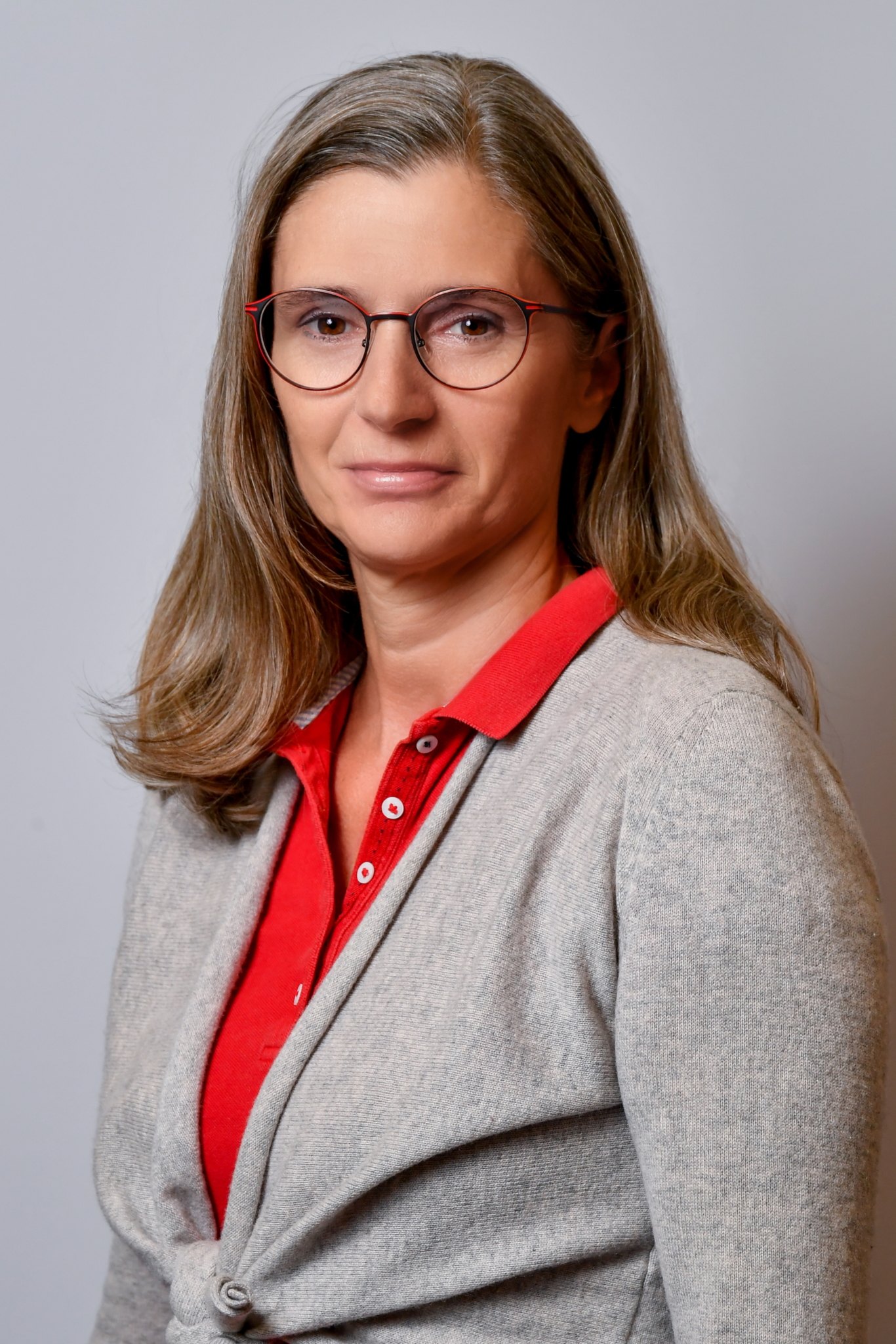
The project team is supported by Christina Dullinger, MSc, and Nadja Latschbacher, MSc, from Kepler University Hospital.
Project team

Partner
 Kepler Universitätsklinikum
Universitätsklinik für Gynäkologie, Geburtshilfe und Gynäkologische Endokrinologie