Skip menu
FH Gesundheitsberufe OÖ – Startseite
Apply
Menü öffnen
de
en
Search
suchen
Suchbegriff eingeben
suchen
Cancel
Office 365
eduroam
Library
Levis
Moodle
About us
General Information
Locations
Team
Organigram
Council
Diversity Management
Works Council
Shareholder & History
Official electronic signature
Studyprogrammes
Bachelor Programme
Biomedical Science
Dietetics
Occupational Therapy
Healthcare and Nursing
Midwifery
Speech and Language Therapy
Physiotherapy
Radiological Technology
Master Programme
University Didactics for Health Professions Education
Applied Technologies for Medical Diagnostics
Management for Health Professionals - main focus on hospital management
Higher Education Courses
Anaesthesia Care
Intensive Care
Care Management
Paediatric and Adolescent Care
Paediatric Intensive Care
Perioperative Nursing Care
Care in kidney replacement therapy
Psychiatric Healthcare and Mental Health Nursing
Study
General Information
Academic year
Advice Centers
Costs
Graduations
Recognition of a foreign professional qualification
Students Union
Alumni
Downloads
Admission
International
Mission statement & charter
Locations
Incomings
Partner Institutions
Erasmus Days
Contact
Research
Informations
Mission Statement
Cooperations
Contact
Projects
Ongoing Projects
Completed Projects
Apply
Apply
Menü schließen
Mag.
a
Dr.
in
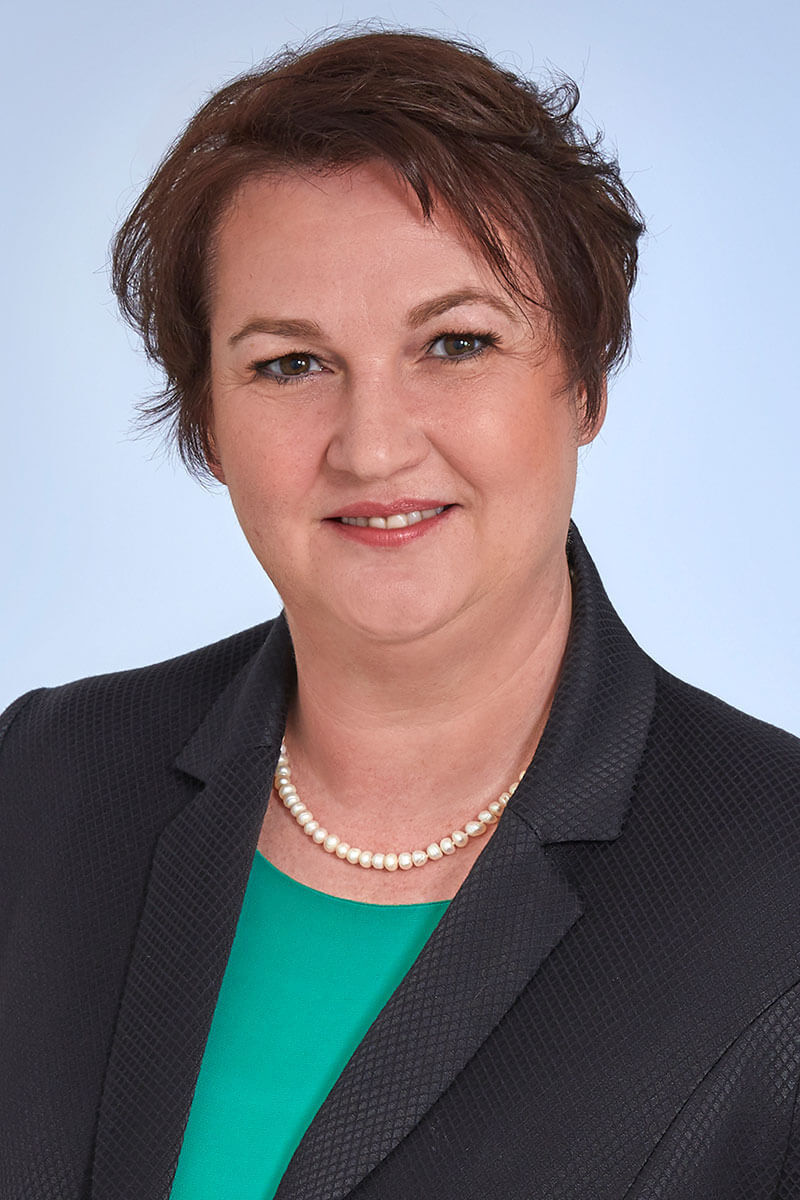
phil. Ursula Halbmayr-Kubicsek MSc
Mag.
a
Dr.
in
phil. Ursula Halbmayr-Kubicsek MSc
Photocredit: Studio Ulli Engleder
Academic Staff, Research Coordinator, Scientific member of the institutional ethics board
studiengang
Gesundheits- und Krankenpflege
Standort
Campus Gesundheit am Ordenskliniku…
Telefonnummer
+43 50 344 43121
E-Mail-Adresse
Send mail
to Ursula Halbmayr-Kubicsek